From Others – Ideas Worth Pondering

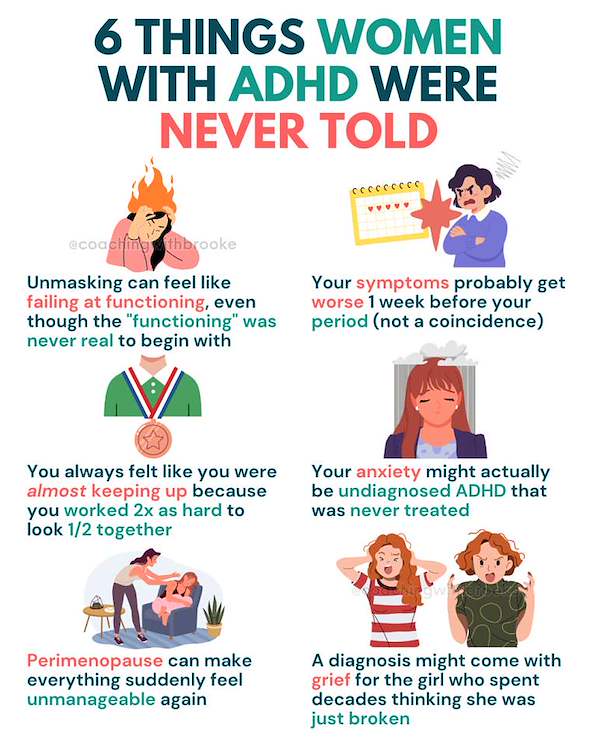
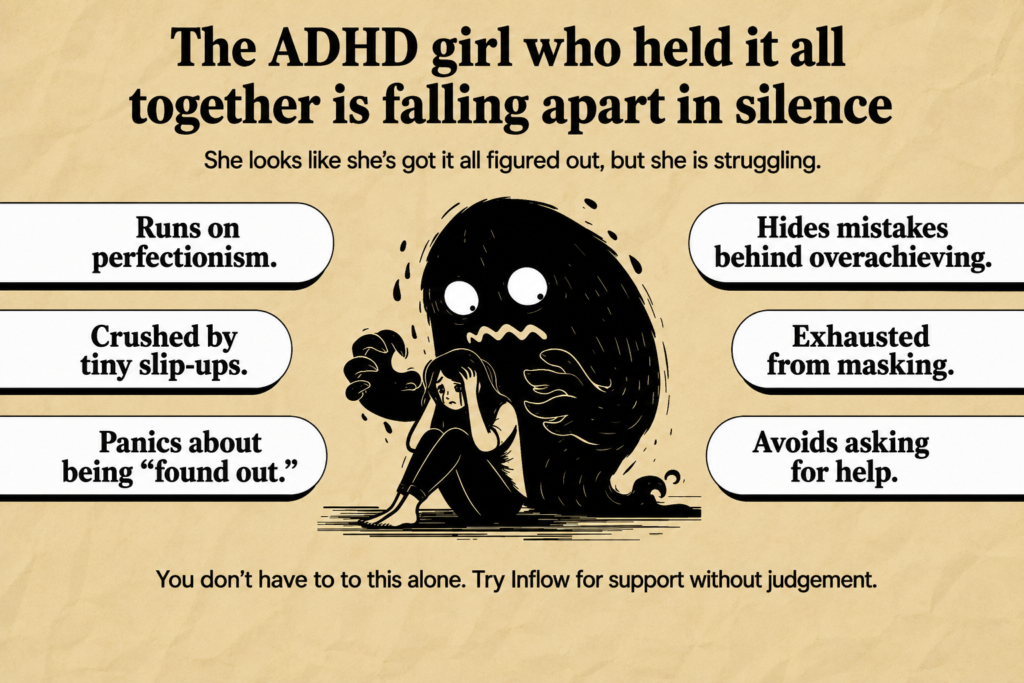
From Others – Ideas Worth Pondering Read More »







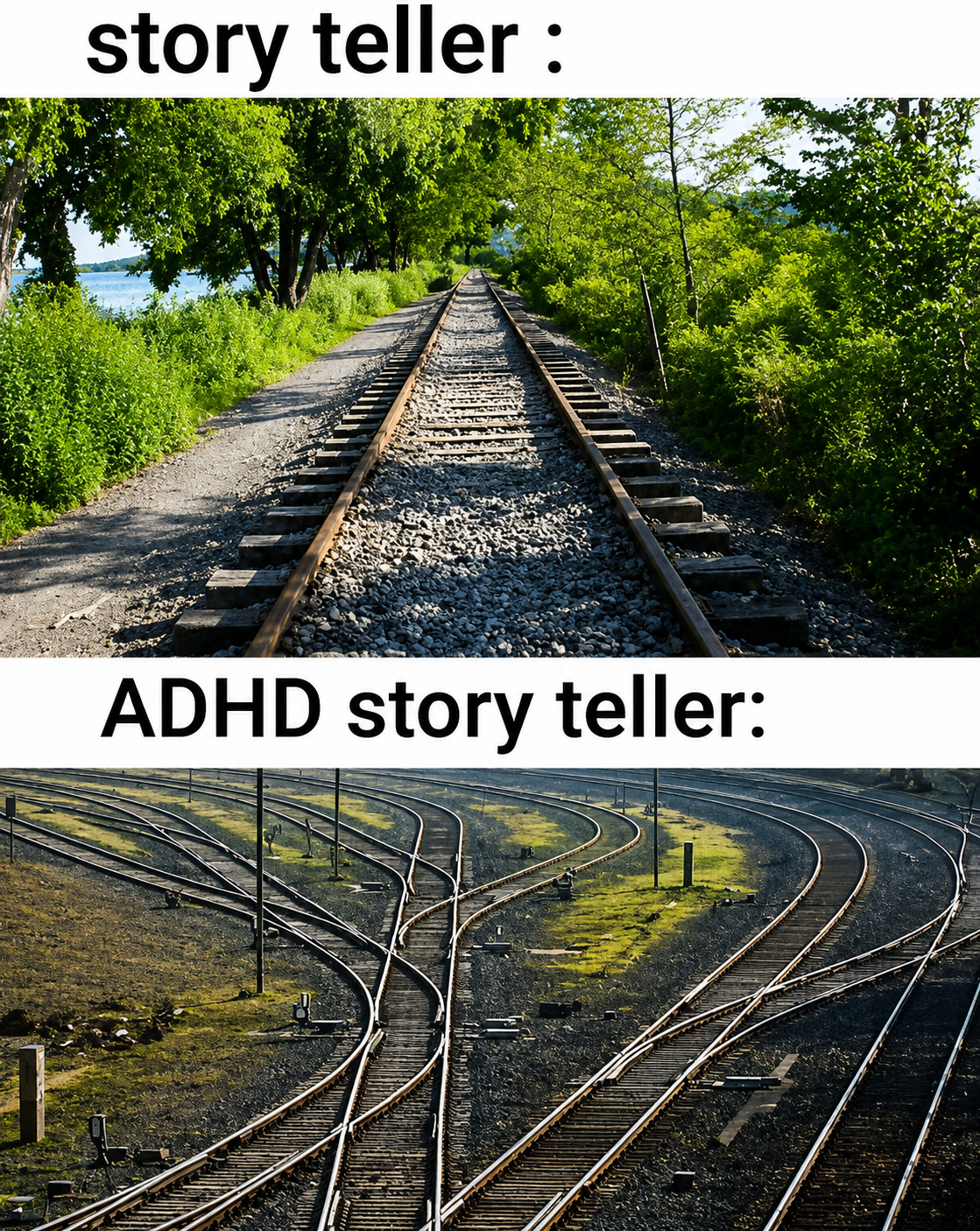
Smiles Are Good For You – ADHD Memes Read More »
The Statement which follows is a definitive body of work which supports and demonstrates that ADHD is based in differences of brain chemistry and in the processing of signal transmissions in brain connections, that untreated ADHD leads to serious consequences for those with and without ADHD, and that the costs to society associated with untreated ADHD measure in the billions of dollars annually.
The ADHD evidence project, https://adhdevidence.org provides a well-indexed access to all 208 statements, with studies of high statistical power which support each statement. You can also listen to my podcast interview with Dr Stephen Faraone, the founder of the project, on ADHD Focus, accessible at https://targetingadhd.com and many podcast channels as well as streaming via expertsandauthors.tv .
David Pomeroy M.D. – Doc4ADHD
Published in Neuroscience and Biobehavioral Reviews, Sept 2021, Issue 128, pages 789-818. doi: 10.1016/j.neubiorev.2021.01.02
We generated 208 empirically supported statements about ADHD. The status of the included statements as empirically supported is approved by 80 authors from 27 countries and 6 continents. The contents of the manuscript are endorsed by 366 people who have read this document and agree with its contents.
Many findings in ADHD are supported by meta-analysis. These allow for firm statements about the nature, course, outcome causes, and treatments for disorders that are useful for reducing misconceptions and stigma.
78–100
101–136
Studies of economic burden show that ADHD costs society hundreds of billions of dollars each year, worldwide.
137–147
Regulatory agencies around the world have determined that several medications are safe and effective for reducing the symptoms of ADHD as shown by randomized controlled clinical trials.
148–157
158–177
The World Federation of ADHD International Consensus Statement Read More »
A new large-scale study has shed light on which treatments for attention-deficit/hyperactivity disorder (ADHD) in adults are most effective and best tolerated. – David Pomeroy MD
Researchers analyzed 113 randomized controlled trials involving nearly 15,000 adults diagnosed with ADHD. These studies included medications (like stimulants and atomoxetine), psychological therapies (such as cognitive behavioral therapy), and newer approaches like neurostimulation.
Stimulant medications (lisdexamfetamine and methylphenidate) as well as selective norepinephrine reuptake inhibitors (SNRI) (atomoxetine) were the only treatments that consistently reduced core ADHD symptoms—both from the perspective of patients and clinicians. It may be worth noting that atomoxetine, while effective, was less well tolerated, with more people dropping out due to side effects.
Psychological therapies such as CBT, mindfulness, and psychoeducation showed some benefits, but mainly according to clinician ratings—not necessarily from the patients themselves. Neurostimulation techniques like transcranial direct current stimulation also showed some improvements, but only in limited contexts and with small sample sizes. Interestingly, none of the treatments—medication or otherwise—made a clear impact on long-term quality of life or emotional regulation.
So, what does this mean for people navigating ADHD in adulthood? Stimulant medications remain the most effective treatment for managing ADHD symptoms day-to-day but nonstimulant medication are not far behind, which is good given the problems we’ve had with stimulant shortages. This study also supports structured psychotherapy as a viable treatment option, especially when used in conjunction with medication.
The study emphasizes the importance of ongoing, long-term research and the need for treatment plans that are tailored to the individual ADHD patient– Managing adult ADHD effectively calls for flexible, patient-centered care.
From Meds to Mindfulness: What Actually Works for Adult ADHD? Read More »
The bias against medications used to treat ADHD , specifically stimulant medications, reinforces the general impression that these medications put children, teens, and adults with ADHD at risk of serious adverse consequences. The risks of nottreating ADHD are much, much higher. Yes, a small percentage of persons prescribed medications experience adverse effects, most of which are gone within a few days of stopping the medication, when it is prescribed appropriately and used only in the manner intended.
Stimulant medications have very different effects in people without accurately diagnosed ADHD – euphoria, having a tremendous boost in energy, and addiction among them. The positive (sic) effects diminish quickly, leading the person to seek higher dosages, and easily becoming addicted. But people with ADHD who take a dosage higher than optimal, seeking higher benefit from the medication, feel worse! They get headaches, rapid and pounding heart rate, irritability, and/or flat affect (not interacting with others, not their usual selves) among others) ; they do not get high, they have no incentive to take more and more.
Diversion of medications is a problem. People who take it for the high or to party or to study more or drink more put themselves at risk. Limiting diversion is the responsibility of the prescribers, pharmacies, and patients to whom it is appropriately prescribed, all of them. Limiting supply of medication is not the answer, that denies treatment to those who need it and does not limit diversion significantly. The item below is based on large-scale studies and cited in the World Federation of ADHD Consensus Statement.
“Treatment with ADHD medications reduces accidental injuries, traumatic brain injury, substance abuse, cigarette smoking, educational underachievement, bone fractures, sexually transmitted infections, depression, suicide, criminal activity, and teenage pregnancy “
[This is one of 208 statements about ADHD found in the World Federation of ADHD International Consensus Statement , Published in Neuroscience and Biobehavioral Reviews, Sept 2021, Issue 128, pages 789-818. doi: 10.1016/j.neubiorev.2021.01.02]
From www.adhdevidence.org
Treatment of ADHD with medications improves life outcome Read More »